


-

Add: HeBei ShengShi HongBang Cellulose Technology CO.,LTD.
-

Email
13180486930@163.com -

CONTACT US
+86 13180486930

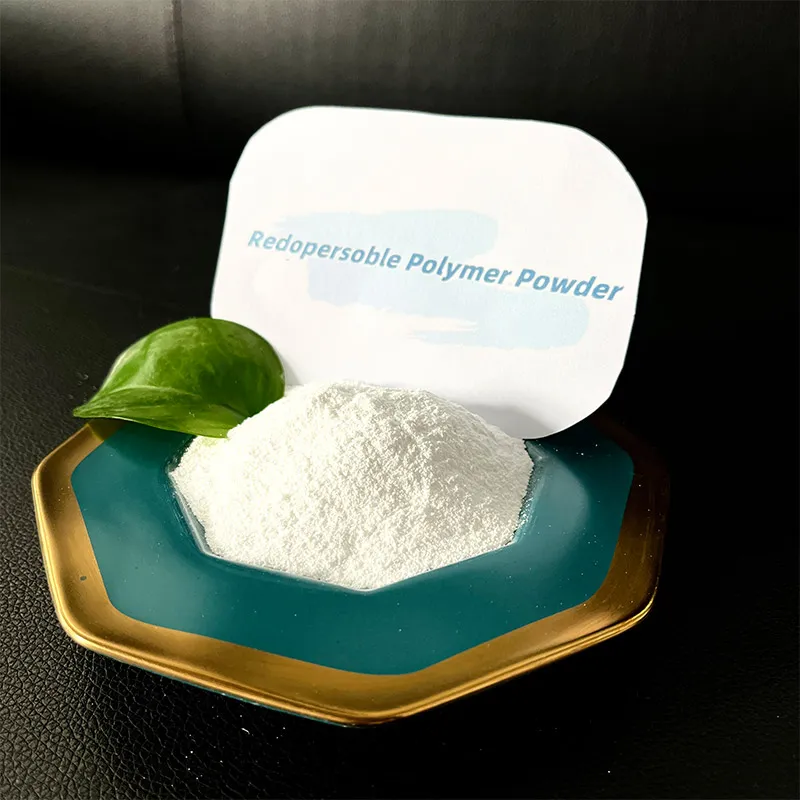


Fiberglass for Concrete Mix Enhancing Strength and Durability Concrete is one of the most widely used construction materials in the world, known for its strength and versatility. However, it does have its limitations, such as brittleness, susceptibility to cracking, and overall weight. To tackle these challenges, the incorporation of fiberglass into concrete mixes has emerged as a game-changing solution that boosts performance while maintaining the same traditional characteristics of concrete. What is Fiberglass? Fiberglass, or glass fiber, is a reinforced plastic material composed of fine fibers of glass. It is known for its high strength-to-weight ratio, excellent resistance to corrosion, and impressive insulation properties. When added to concrete mixes, fiberglass can significantly enhance the material's overall performance, making it a popular choice in various construction applications. Benefits of Fiberglass in Concrete Mixes 1. Improved Tensile Strength One of the most significant advantages of incorporating fiberglass into concrete is the enhancement of tensile strength. Traditional concrete tends to be strong in compression but weak in tension, which can lead to cracks and structural failures. By adding fiberglass, the tensile strength increases, making the concrete more resistant to stress and load-bearing requirements. 2. Reduced Shrinkage and Cracking Fiberglass acts as a reinforcement that helps to minimize shrinkage during the curing process. This reduction in shrinkage translates to a decreased risk of cracking, which is often a common issue in standard concrete mixes. By effectively controlling cracking, fiberglass-reinforced concrete extends the lifespan of structures and reduces the need for repairs. 3. Lightweight Composition The lightweight nature of fiberglass compared to traditional reinforcement materials like steel means that concrete mixes can maintain lower overall weight. This can reduce the structural load on foundations while still providing the necessary strength and durability. Such lightweight composition is particularly advantageous in projects where load restrictions are critical. fiberglass for concrete mix 4. Enhanced Durability Fiberglass is naturally resistant to corrosion and chemical attack, which can often plague concrete exposed to harsh environmental conditions. By incorporating fiberglass, the resulting concrete becomes more robust against moisture penetration, temperature fluctuations, and aggressive chemicals, making it ideal for use in areas such as coastal regions, industrial sites, or places with severe weather. 5. Cost-Effectiveness While there may be initial costs associated with adding fiberglass to concrete mixes, the long-term savings are significant. The durability and reduced maintenance associated with fiberglass-reinforced concrete often lead to lower repair and replacement costs over the lifecycle of a structure. Additionally, the efficiency of construction and the potential reduction in material usage can further offset expenses. Applications of Fiberglass-Reinforced Concrete The application of fiberglass in concrete mixes spans across various sectors including residential, commercial, and industrial construction. From precast concrete products to architectural elements, such as facades and sculptures, fiberglass enhances the performance and aesthetic appeal of concrete structures. One notable application is in the construction of pavements and flooring systems. The addition of fiberglass not only improves the structural integrity but also provides slip resistance, ensuring safety in both industrial and commercial environments. Moreover, the use of fiberglass in thin overlays and shotcrete processes shows significant promise, allowing for quick application with high durability. Conclusion In conclusion, the integration of fiberglass into concrete mixes presents a wealth of benefits that significantly enhance the material's performance. Improved tensile strength, reduced shrinkage, enhanced durability, and lightweight composition make fiberglass-reinforced concrete an excellent choice for modern construction projects. As the construction industry continues to evolve, adopting innovative materials like fiberglass will be crucial in meeting the demands for stronger, more resilient, and cost-effective building solutions. By embracing these advancements, engineers and architects can create structures that not only stand the test of time but also contribute to more sustainable development practices.
- 40000tons

Production
- 20+years

Experience
- 5000+㎡

Acreage

-

Navigating the complex world of synthetic fibres involves understanding their multifaceted applications, strengths, and sustainability aspects. As a key player in the textile industry, synthetic fibres offer unparalleled diversity and utility, making them indispensable across various sectors. This article delves into the unique characteristics of synthetic fibres, providing insights drawn from extensive research and industry experiences. Synthetic fibres, made through processes like polymerisation, originate from petroleum-based raw materials such as coal and natural gas. This method of production provides these materials with qualities like high durability, elasticity, and stain resistance, which natural fibres sometimes lack. A clear advantage of synthetic fibres is their ability to be tailored to specific functions, allowing for a broad range of applications. For instance, in the fashion industry, polyester and nylon remain preferred choices due to their stretchability, resilience, and ability to retain shape—a critical factor for everyday wear. Taking a closer look at polyester, one of the most widely utilized synthetic fibres, we find its prominence not just in clothing but also in home furnishings and industrial applications. Polyester's resistance to environmental factors makes it ideal for outdoor situations, where it shields wearers from extreme weather and retains its properties despite exposure to moisture. In terms of sustainability, recent advancements have led to the emergence of recycled polyester, which stems from repurposed plastic bottles and reduces environmental impact, highlighting a shift towards more eco-friendly production practices. Nylon, another dominant synthetic fibre, known for its exceptional strength and elasticity, revolutionised industries upon its introduction. It serves critical roles in manufacturing durable goods like ropes, nets, and even seatbelts in vehicles. Its application doesn't end with utilitarian products; in the fashion industry, nylon is praised for creating lightweight, breathable apparel that combines comfort with longevity. With the technology landscape rapidly evolving, synthetic fibres have embraced the integration of nanotechnology to further expand their horizons. This integration allows for the development of high-performance clothing with added functionalities such as UV protection, moisture-wicking capabilities, and even antibacterial properties. The future potentials of synthetic fibres in enhancing wearable tech cannot be overstated, offering limitless possibilities in smart clothing and beyond. fibre synthetic fibre Amidst their innumerable benefits, the environmental impact of synthetic fibres warrants attention . The global industry is making significant strides towards greater sustainability, focusing on reducing the carbon footprint of fibre production. Biodegradable synthetic fibres are now under research and development, promising solutions to the issue of textile waste. The fashion industry is actively pursuing circular economy models, encouraging recycling and reuse to prolong the lifecycle of garments. For consumers and industries alike, the choice of fibre has become increasingly crucial. Selecting synthetic fibres involves balancing between performance needs and environmental considerations. Assessing a product’s lifecycle and opting for brands committed to sustainable practices aligns with environmentally conscious consumerism. This responsibility extends to manufacturers, who must innovate continually to refine their methods, decreasing reliance on fossil fuels and integrating renewable energy sources into production. The credibility of synthetic fibre manufacturers is further enhanced through certifications and adherence to international standards. Organizations such as the Global Recycle Standard (GRS) and OEKO-TEX certification provide assurance of quality and eco-friendly practices, boosting consumer confidence and fostering trust in synthetic textile products. In conclusion, synthetic fibres represent a nuanced sector of the textile industry, underpinned by their adaptability, innovation, and potential for sustainability. The commitment to improving production processes and product offerings while addressing environmental concerns ensures that synthetic fibres will remain a crucial component of modern and future textile solutions. By making informed choices and supporting sustainable initiatives, both consumers and producers can drive positive change within this pivotal sector.
-
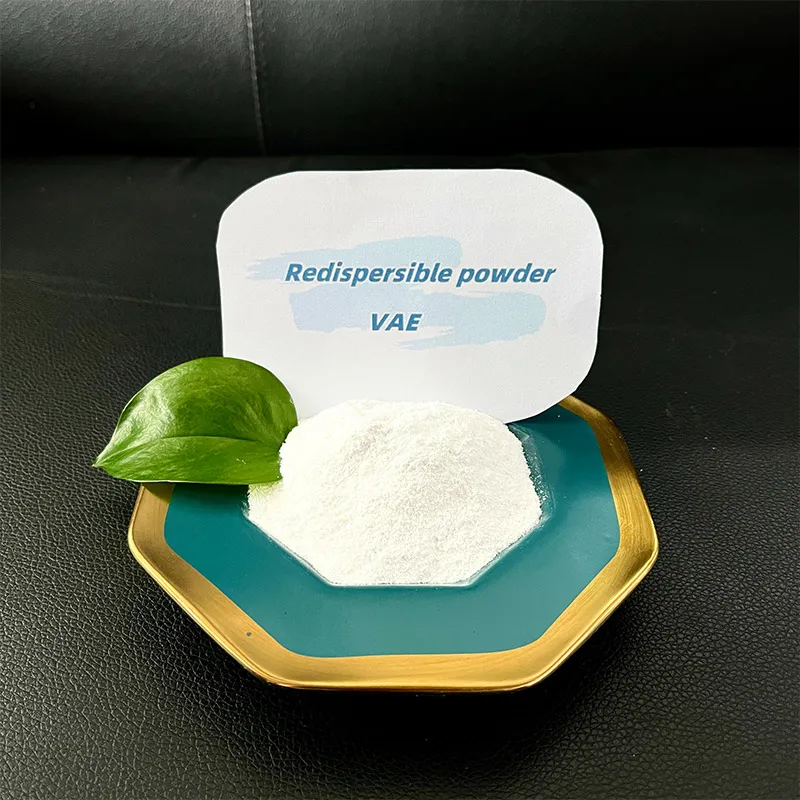
Unveiling the Potential of HPMC E5 in Modern Industries Hydroxypropyl Methylcellulose (HPMC) E5 is gaining recognition across various industries due to its versatility and enhanced performance properties. As a high-quality chemical compound, HPMC E5 has carved a niche for itself, especially in the construction, pharmaceutical, and food sectors, due to its ability to provide stability, texture, and functionality. Real Experience Many companies have successfully integrated HPMC E5 into their manufacturing processes with remarkable outcomes. For instance, in the construction industry, HPMC E5 is valued for its water retention and workability enhancement properties. Construction professionals have observed a significant increase in the durability and consistency of cement-based structures. This firsthand experience emphasizes its role in producing top-grade construction materials, where consistency and longevity are paramount. Expertise Chemists and product developers recognize HPMC E5 for its exceptional properties that allow it to perform effectively across a variety of applications. In the pharmaceutical industry , it excels as a binder and film former in tablet formulations. Its uniform viscosity contributes to the efficient production of tablets with optimal disintegration properties, ensuring the safe and effective delivery of active ingredients. This expertise in employing HPMC E5 highlights its importance in developing high-quality pharmaceutical solutions. Authoritativeness Numerous studies and industrial reports corroborate the advantages of HPMC E5, further solidifying its credibility. Its role in enhancing the quality of consumer goods is backed by scientific research, which underscores its non-toxic and biodegradable nature, aligning with global environmental standards. The authoritative data present HPMC E5 as an industry-approved choice for companies aiming to meet stringent regulatory standards while optimizing production efficiency. hpmc e5 Trustworthiness The trust in HPMC E5 is bolstered by its compliance with international safety and quality standards. It is recognized by governing bodies such as the FDA and ECHA, which assures manufacturers of its safety in various applications. Consumer safety is a top priority, and HPMC E5 meets these expectations by being a reliable ingredient in products consumed and utilized globally. In the food industry, HPMC E5 stands out as a stabilizer and thickener in various formulations. Its ability to enhance texture and retain moisture is particularly beneficial in the production of gluten-free products. Professional bakers have noted that HPMC E5 helps improve the quality of gluten-free bread, providing a desirable crumb structure and mouthfeel. This adaptability underscores its value in catering to the evolving consumer preferences, particularly the rising demand for gluten-free diets. The multifaceted benefits of HPMC E5 are further acknowledged by its growing market presence. Companies leveraging this ingredient often experience enhanced product performance and increased consumer satisfaction, translating to a competitive edge in their respective industries. In conclusion, HPMC E5 is a testament to how a well-researched and expertly applied chemical can significantly impact product quality and innovation. Its use is supported by real-world experiences, expert insights, authoritative studies, and a proven track record of safety and efficacy. For businesses looking to optimize their production processes and enhance their product offerings, incorporating HPMC E5 could prove to be a transformative decision.
advantages
-

200000 Viscosities
Excellent product
We can produce pure products up to 200,000 viscosities
-

40000 tons
High yield
We don’t stop production all year round, and the annual output can reach 40,000 tons
-

24 hours
Quality service
We provide 24-hours online reception service, welcome to consult at any time
———— Inquiry Form
Schedule A services


-
 construction_hpmc
Oct . 25, 2025
The increasing prevalence of digital device usage and environmental pollutants has led to a rise in -
 synthetic_carbon_fiber
Oct . 25, 2025
Glass filled polypropylene, commonly known as glass filled PP, is a marvel of modern engineering tha -
 usos_de_la_fibra_de_polipropileno
Oct . 25, 2025
When we think of modified starch , it’s often associated with food and textiles, but its application


